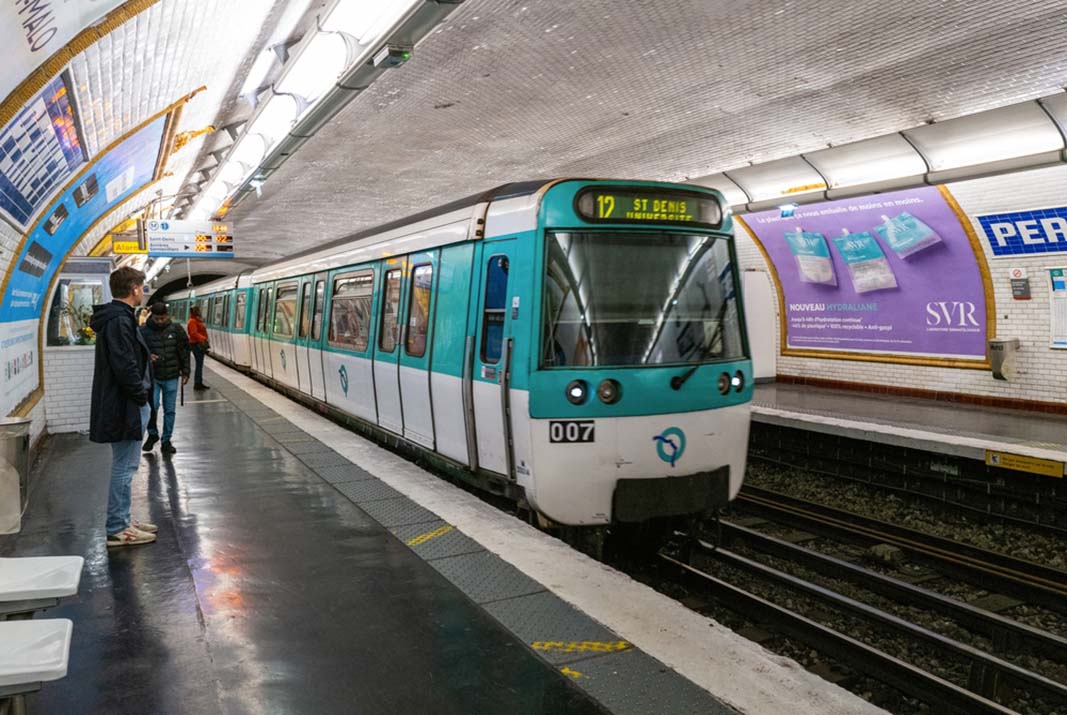
Late November in Paris brings a crisp chill that invigorates the senses, and there’s no better way to explore the city than via its extensive metro network. From my first step onto the tiled platforms to the rhythmic clatter of trains, I quickly realized that mastering the Paris Metro is both a practical necessity and a fascinating part of the travel experience. Over my several days of navigating the city, I learned strategies that not only made my journeys smoother but also saved money along the way.
1. Understanding the Metro Map
The Paris Metro consists of 16 lines, each carefully color-coded and numbered, weaving like arteries through the city and connecting seamlessly with the RER trains that branch into the suburbs. When I first unfolded the metro map in my hotel room, it felt overwhelming—a rainbow web of names, dots, and numbers. But after a closer look, I realized that learning the metro map was almost like learning the language of Paris itself.
What helped me the most was marking down the stations closest to my hotel, major attractions like the Louvre, Eiffel Tower, and Montmartre, and even restaurants I wanted to try. With those anchors in place, the map became less intimidating and more like a personalized city guide. Apps such as Citymapper and the official RATP app were lifesavers, showing me not only which line to take but also how long I had to wait for the next train.
I remember standing in Châtelet–Les Halles, one of the largest underground stations in Europe, and feeling both nervous and exhilarated as I followed the signs from Line 1 to Line 14. These hubs may seem chaotic, but once you understand them, they are incredible time-savers. Similarly, Gare du Nord connects to international trains, so mastering it meant I could plan side trips to Brussels or London later in my journey.
- Tip: Always look for multi-line stations like Châtelet–Les Halles or Gare du Nord on your map. They act as gateways, giving you flexibility to reroute without losing much time.
2. Choosing the Right Ticket
When I first arrived, I made the rookie mistake of buying single tickets for every ride. At €1.90 per ticket, it seemed affordable, but by the third day I realized the costs were piling up. That’s when I discovered the carnet of 10 tickets, which brought the price down to around €14.90. Not only did this save me money, but it also saved me the hassle of queuing at ticket machines every morning. I slipped the small paper tickets into a slim wallet and felt ready to jump on and off trains whenever I liked.
For longer stays, I strongly recommend the Paris Visite pass, which gives unlimited travel for 1, 2, 3, or 5 consecutive days. On my five-day November trip, this pass was invaluable. I combined metro rides with trams and buses, and I never had to second-guess whether I could afford another trip.
One of my favorite memories was hopping off the metro near Notre-Dame for a spontaneous evening walk, then deciding on the spot to ride over to Montmartre for a late-night view of the city. Without the pass, I might have hesitated, but with it, I felt free to explore endlessly.
- Money-Saving Tip: If you know you’ll be in Paris for at least three days, calculate how many rides you’ll likely take. If it’s more than four per day, the Paris Visite pass is almost always worth it, especially in chilly November when walking everywhere isn’t always practical.
3. Understanding Zones
Paris’s public transport system is structured around five concentric zones, and understanding them was crucial for managing both my time and budget. Zones 1–2 cover almost all the places first-time visitors dream of: the Eiffel Tower, the Louvre, Montmartre, and the romantic banks of the Seine. For my daily explorations, I rarely needed to think beyond these central zones, which kept things simple and inexpensive.
It was only when I planned a half-day trip to Versailles in zone 4 that I realized how important zones were. A standard Ticket t+ wasn’t valid anymore, and I had to purchase a separate RER ticket. Similarly, when I flew into Charles de Gaulle Airport in zone 5, I bought a specific airport ticket for around €10, instead of relying on my metro carnet.
- Tip: Plan any journeys to outer attractions like Disneyland Paris, Versailles, or the airports early in your itinerary. This way, you can allocate funds for those zone-specific tickets without being surprised by unexpected costs. Keeping zones in mind prevented me from accidentally boarding a train without the right fare, which could have resulted in a fine.
4. Avoiding Rush Hours
One of the quickest lessons I learned in Paris was that the metro feels completely different depending on the time of day. During 8–10 AM and 5–7 PM on weekdays, trains are packed with Parisians commuting to and from work. On my second morning, I squeezed into a Line 1 carriage at Concorde, shoulder-to-shoulder with office workers in dark coats, and instantly regretted not waiting.
After that, I adjusted my schedule. Instead of joining the morning rush, I lingered in cafés with a croissant and café crème, then headed to museums around 10:30. In the evenings, I explored neighborhoods like Le Marais or Saint-Germain-des-Prés before catching a later train back.
This not only made my rides calmer but also gave me time to notice details. At Arts et Métiers, I admired the copper-plated, submarine-like design without the distraction of crowds. Traveling outside rush hours turned my metro rides from stressful necessities into enjoyable parts of the Paris experience.
5. Using the RER for Airports
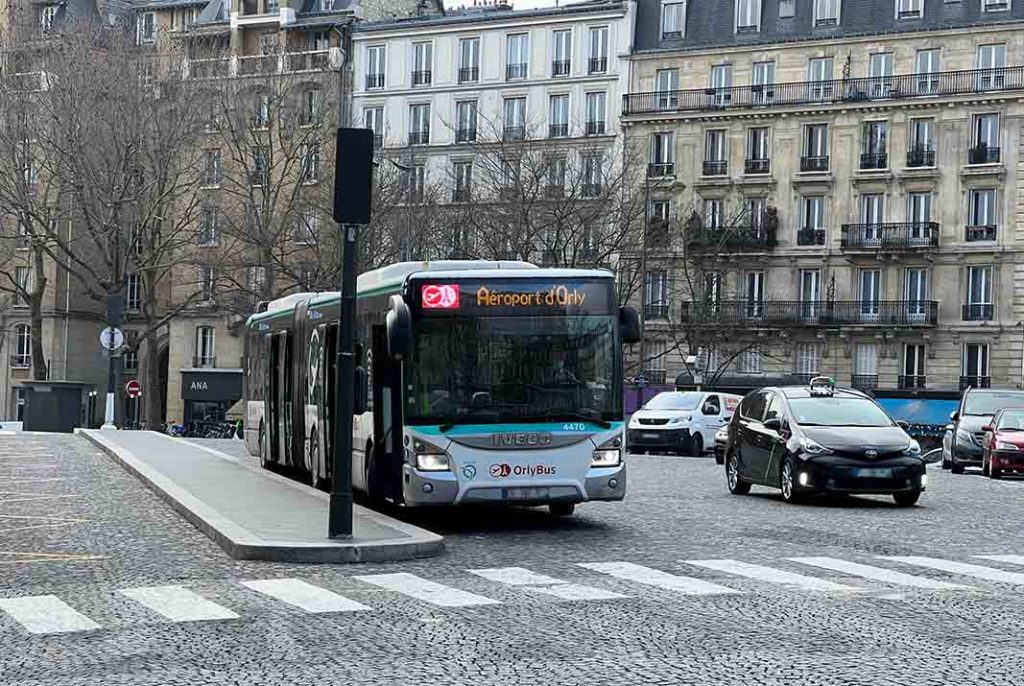
Traveling to Charles de Gaulle Airport (CDG) or Orly Airport (ORY) is best done via the RER B and Orlyval, respectively. Tickets cost about €10–12, cheaper than taxis or Uber rides. I booked my train tickets in advance via Trainline and Omio, which also provide real-time schedules.
- Tip: For flights, I always leave extra time as RER lines can occasionally face minor delays.
6. Leveraging Night Buses
The Noctilien night bus network operates when the metro is closed (approximately 12:30–5:30 AM). I discovered this when returning from a late Seine river cruise. Tickets are the same price as a standard metro ticket, and it’s a reliable option for nightlife exploration.
- Money-Saving Tip: I used my carnet tickets for these buses too, stretching my investment further.
7. Keeping Safety in Mind
While Paris is generally safe, I remained cautious, particularly in busy hubs like Gare du Nord or Saint-Lazare. Pickpockets are common, so I always kept my backpack in front and avoided flashy valuables.
- Tip: Use a small crossbody bag with secure zippers for essentials like passport, tickets, and phone.
8. Planning Metro-Friendly Itineraries
I quickly realized that planning attractions by metro lines saved both time and energy. For example, exploring Louvre Museum, Palais Royal, and Place Vendôme in one day made sense because they are all within walking distance of Palais Royal – Musée du Louvre station.
- Tip: I used Google Maps walking mode combined with metro directions to optimize daily routes.
9. Downloading Metro Apps
The RATP app is my go-to for live updates, route planning, and delays. I also used Citymapper to get clear directions and time estimates, which was critical when rushing between Montmartre and the Eiffel Tower in a single day.
- Tip: Download the maps offline to avoid mobile data charges; November weather sometimes made walking between stations slower due to rain or wind.
10. Combining Metro with Other Transport Modes
Paris offers Velib’ bikes and electric scooters, which are ideal for short distances. I often combined metro rides with a 10–15 minute bike trip along the Seine River for scenic views.
- Money-Saving Tip: Purchasing a Velib’ subscription for a few days cost me under €15 and saved on multiple taxi rides.
Recommended Platforms for Travel Planning
While navigating the metro, I also booked hotels, dining, and tickets for attractions via reliable European platforms. Booking.com and Hotels.com provided flexible hotel options, TripAdvisor helped me select restaurants with authentic reviews, and TheFork (LaFourchette) offered dining reservations at discounted rates. For attraction tickets, Tiqets, GetYourGuide, and Klook were invaluable for avoiding long lines at places like the Louvre or Musée d’Orsay.
Insider Tricks I Learned
- Start early: Morning metro rides are easier for photography and people-watching.
- Carry coins: Ticket machines often don’t accept large bills.
- Scan carefully: Keep tickets for the entire journey; inspectors can appear suddenly.
- Mind escalators: Stand on the right, walk on the left to avoid frustrating locals.
- Recharge reusable passes: If using a Navigo card, make sure it’s topped up before leaving your hotel.
Over several days navigating Paris, I discovered that mastering the metro is not just about efficiency—it’s part of the city’s rhythm. From observing the subtle charm of tiled station walls to interacting with commuters, every ride became an experience. Using the strategies above, I explored Montmartre, Saint-Germain-des-Prés, Bastille, and the Eiffel Tower, all while saving time and money.
The Paris Metro is more than transportation—it’s a window into daily life, an essential tool for any traveler, and a playground for observation, photography, and spontaneous adventure. By combining careful planning, budgeting, and awareness, even a first-time visitor can navigate it like a seasoned Parisian. Platforms like Booking.com, TripAdvisor, and Trainline made my journey seamless, allowing me to focus on exploring the heart of Paris rather than worrying about logistics.